Holding Hope CollectiveHolding Hope Collective

About Holding Hope Collective

Therapy, psychiatry, and support built around real life.

Holding Hope Collective is an outpatient practice in Woodland Hills offering therapy and psychiatry for adults navigating mental health, life transitions, and the pull of old patterns.

Most people who come to us are looking for something fairly ordinary: a therapist who gets it, a psychiatric provider who listens, or a team that can actually coordinate the two. We built this practice to be that place — and to have the depth to help when things are more complicated.

Our founders came from opposite sides of the behavioral health system and kept seeing the same problem. People with mental health needs were sent one place. People with addiction or substance-use histories were sent another. And the people dealing with both were told to pick which door to walk through first.

We do things differently. Our clinicians work across mental health, addiction, and dual diagnosis. We coordinate with other providers when it helps. We answer the phone. And we build care that fits the life you're actually trying to live — not the one a worksheet assumes you have.

  • · HIPAA-compliant
  • · Secure Telehealth
  • · Licensed Clinicians
  • · In-person sessions available

Our Mission

Outpatient care that fits the life you're actually living.

Therapy and psychiatry should make the rest of your life easier, not harder.

"Holding Hope was created to make good outpatient care easier to find — whether you're starting therapy for the first time, returning to psychiatric support, or stepping down from a higher level of care."

People reach out to us at different moments. Some are anxious, burned out, or going through a transition and need a therapist who can really see them. Some need psychiatric support to stabilize symptoms they've been managing alone. Others are leaving residential, PHP, or IOP care and need somewhere grounded to continue.

We built Holding Hope Collective because all of those people deserve the same thing: clinicians who understand mental health and addiction in every combination, care that coordinates with other providers, and a practice small enough that you still feel known. We don't assume a diagnosis, a treatment history, or a crisis. We start with where you are.

Our Team

The people behind the practice.

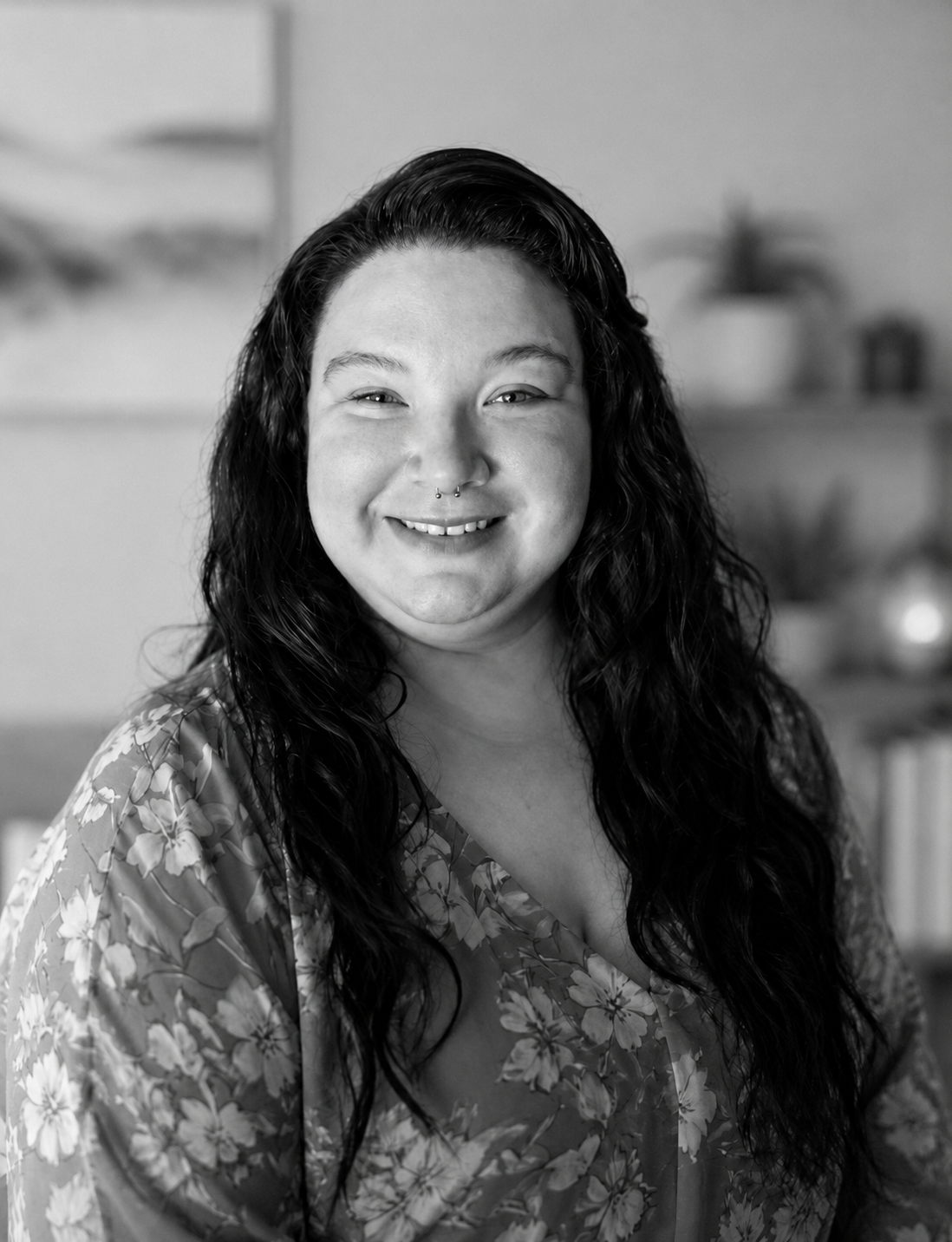
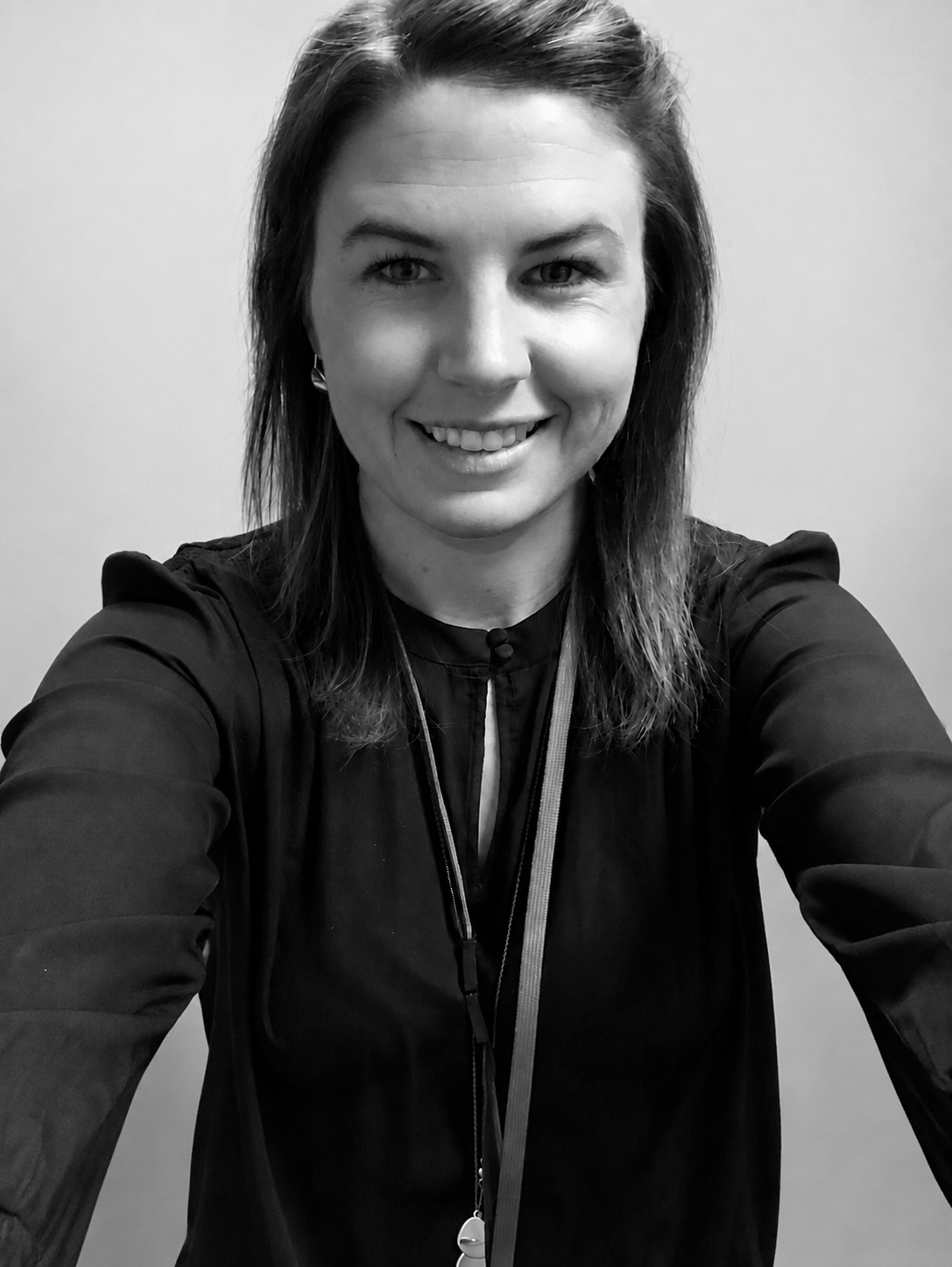
Melissa R. Snyder, LCSW

Melissa R. Snyder, LCSW

Founder · Executive Director & Clinical Director

Melissa is a licensed clinical social worker who's spent the last fifteen years working with people in some of the hardest moments of their lives — in psychiatric hospitals, detox units, shelters, courtrooms, and the kinds of places where the safety net is supposed to catch people but often doesn't. She built her career listening carefully to people who'd stopped expecting to be heard.

She believes the work is mostly about being honest, being present, and not flinching when someone tells you the truth. Recovery, in her view, isn't about getting back to who you were before — it's about figuring out who you actually want to be now, and having someone steady in your corner while you do it.

She started Holding Hope Collective to build a place that actually understands what the struggle looks like — and what it takes to succeed.
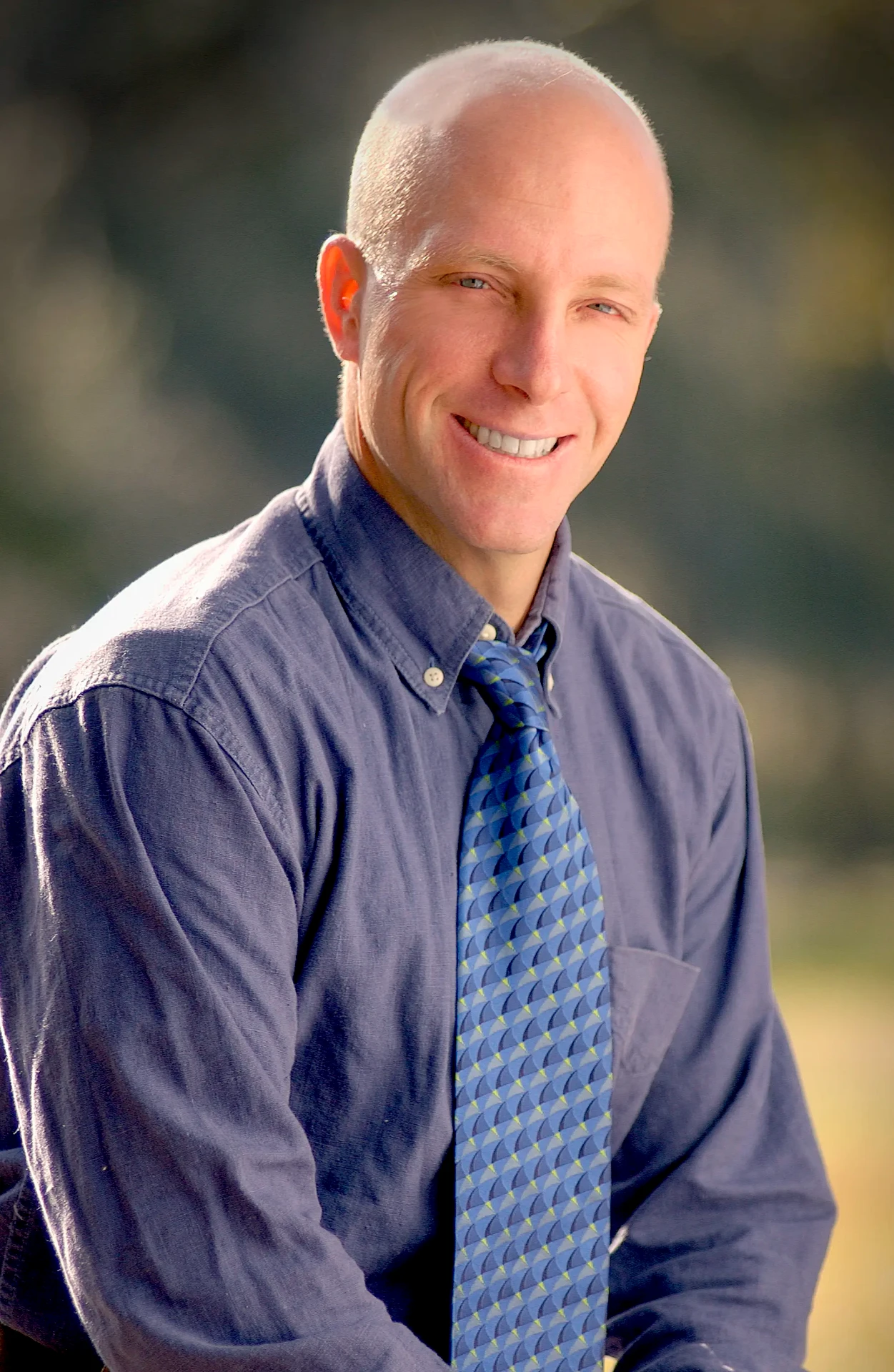
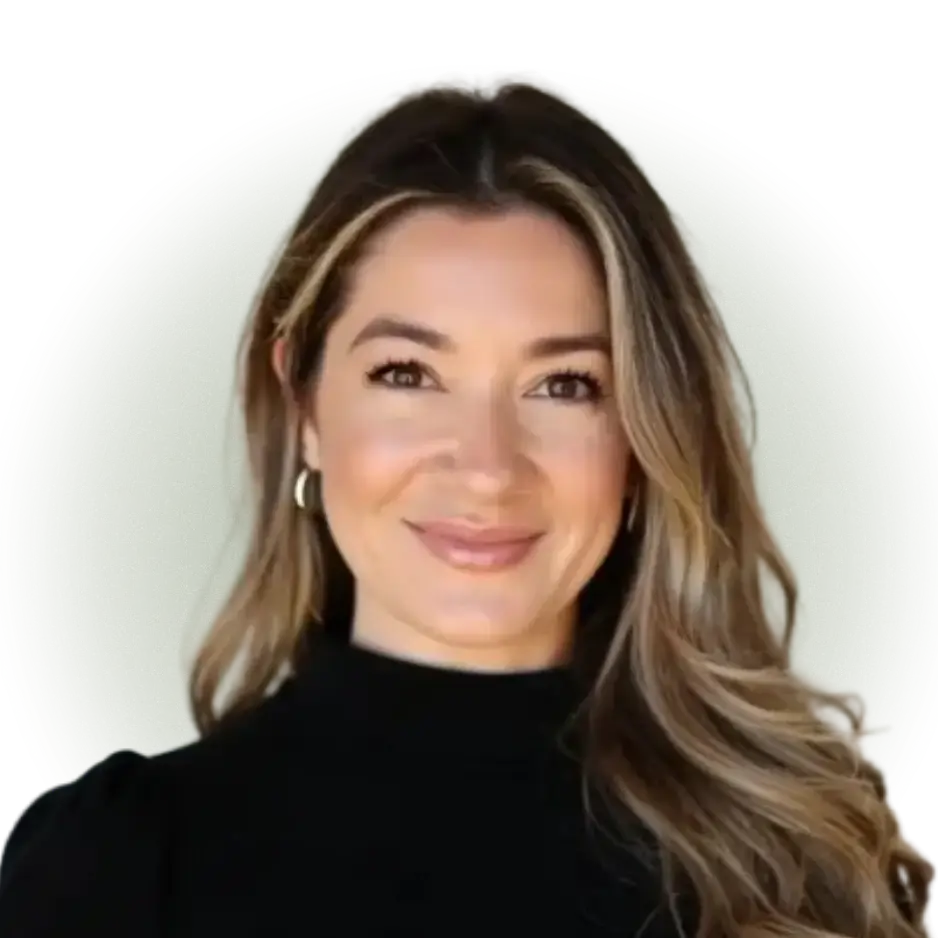
Alisha Bass, CADC I

Alisha Bass, CADC I

Co-Founder · Director of Operations

Alisha has spent over a decade in behavioral health operations — substance use treatment, detox, residential, outpatient, and sober living — most of that time sitting with people on the worst day of their lives and helping them figure out what comes next. She's been the person clients call when they don't know who else to call, and she's never once made anyone feel like a number.

She's the rare combination of organized and kind. She'll remember the name of your dog and also notice if you've missed two appointments in a row. Real progress, she believes, happens at the intersection of clinical work that undoes old patterns and the steady experience of being known by the people walking alongside you.

At Holding Hope Collective, Alisha is the heart of the day-to-day. If you call the office, there's a good chance she's the one picking up.

Dr. Carpenter, MD

Dr. Carpenter, MD

Psychiatry · Addiction Medicine · Holistic & Integrative Medicine

Dr. Carpenter is board certified in psychiatry, addiction medicine, and holistic/integrative medicine. Early on in his medical training, he realized that it is just as important to know the person as it is to understand the person's disease — and toward that end, he looks upon patients as unique and whole persons instead of just their symptoms and disorder.

He has extensive experience in mental health and addiction medicine, especially focusing his efforts on the opioid epidemic plaguing our society. He works in a variety of environments including outpatient, residential, and correctional services, and utilizes all forms of Medications for Opioid Use Disorder (MOUD) as well as treatment for alcohol, benzodiazepine, and stimulant use disorders.

He is passionate about helping people recover and is dedicated to collaborating with his patients in a partnership that supports them physically, emotionally, and spiritually on their journey to creating a healthy, joyful, and fulfilling life. He does not think patients are to be blamed or victimized for their struggles, but believes they are responsible for their recovery. Dr. Carpenter sees recovery as a person's pursuit of happiness in their life, and he dedicates his medical expertise to serving his patients toward that goal.

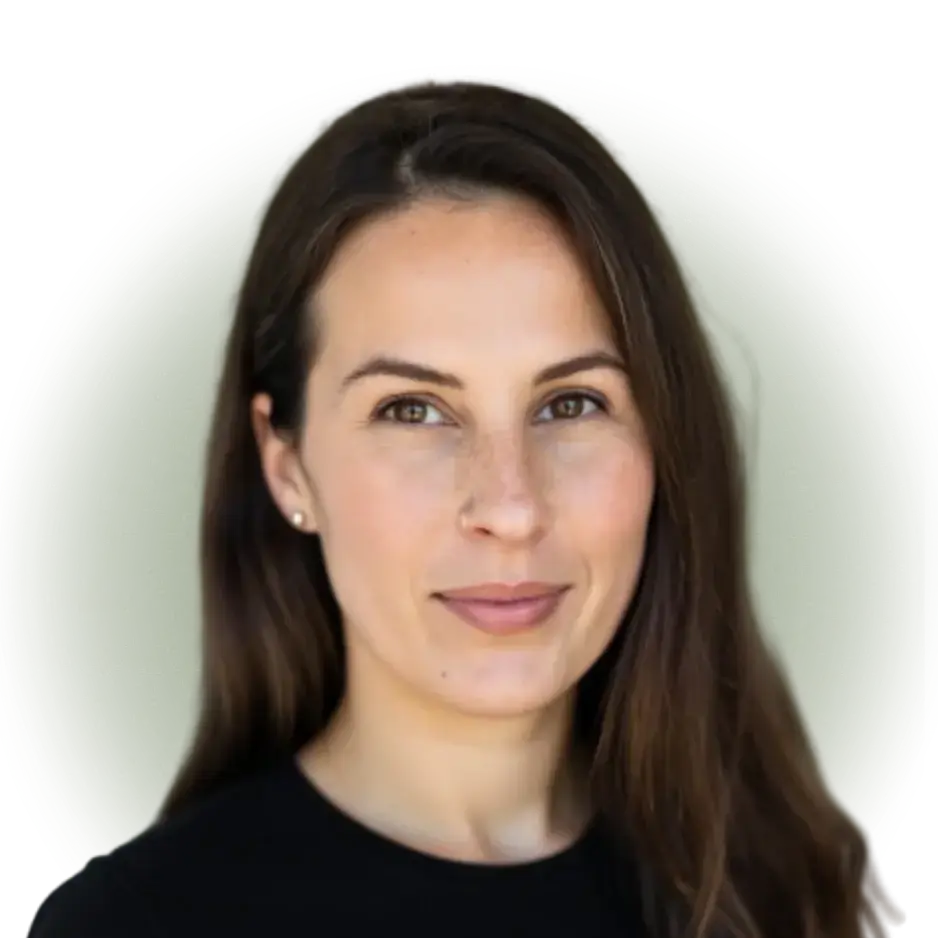
Michelle Ramos Olsen, PA-C, MPAS

Michelle Ramos Olsen, PA-C, MPAS

Physician Assistant · Psychiatry & Addiction Medicine

Michelle is a board-certified Physician Assistant specializing in psychiatry and addiction medicine, with more than a decade of clinical experience across behavioral health, acute care, critical care, and military medicine.

She provides psychiatric evaluation and medication management for adults with a broad range of mental health conditions, including depression, anxiety, ADHD, bipolar disorder, schizophrenia, substance use disorders, and co-occurring psychiatric and substance use conditions.

Her work in addiction medicine includes the psychiatric management of patients undergoing detoxification and stabilization, with an emphasis on the complex relationship between substance use, mental health, and long-term recovery. She works collaboratively with multidisciplinary teams to build individualized plans that balance symptom control, medication safety, recovery goals, and overall functioning.

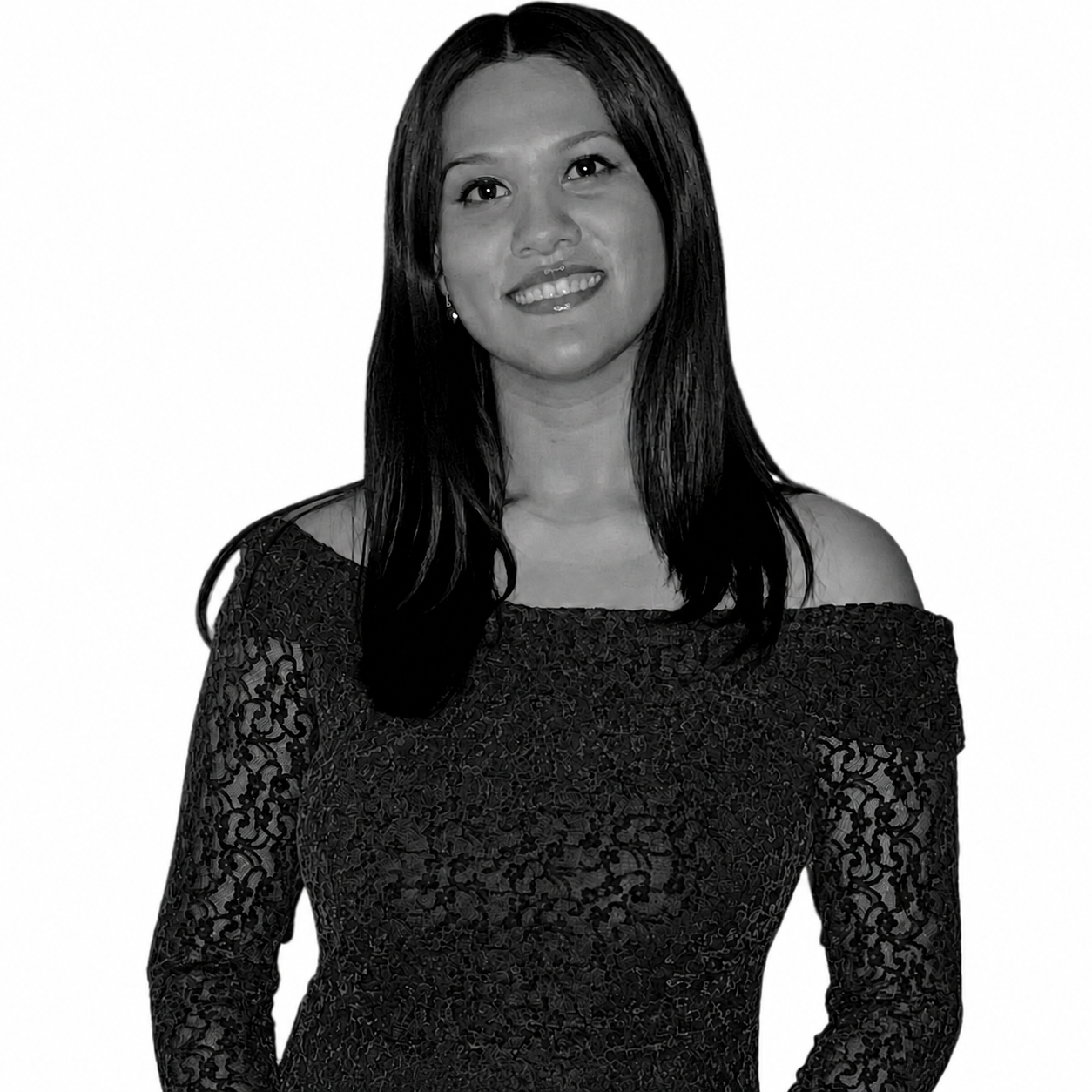
Melanie Johnston, ACSW

Melanie Johnston, ACSW

Associate Clinical Social Worker

Melanie is an Associate Clinical Social Worker who earned her Master of Social Work from Aurora University. Her admiration for the field is deeply motivated by a desire to confront the widespread misunderstanding of substance use and advocate for individuals and families impacted by it.

She brings experience from a variety of settings, including victim-centered crisis response and residential support. These experiences have shaped her trauma-informed understanding of recovery and reinforced her belief in meeting each client where they are.

Her therapeutic style is authentic, nonjudgmental, and curious. Melanie emphasizes empowerment and works to create a space where clients feel respected, understood, and supported in making their own choices throughout the healing process.

Her clinical work is grounded in evidence-based approaches, including Motivational Interviewing, Cognitive Behavioral Therapy, positive psychology, and strengths-based practices — promoting hope, supporting autonomy, and helping people recognize the strengths they already possess.

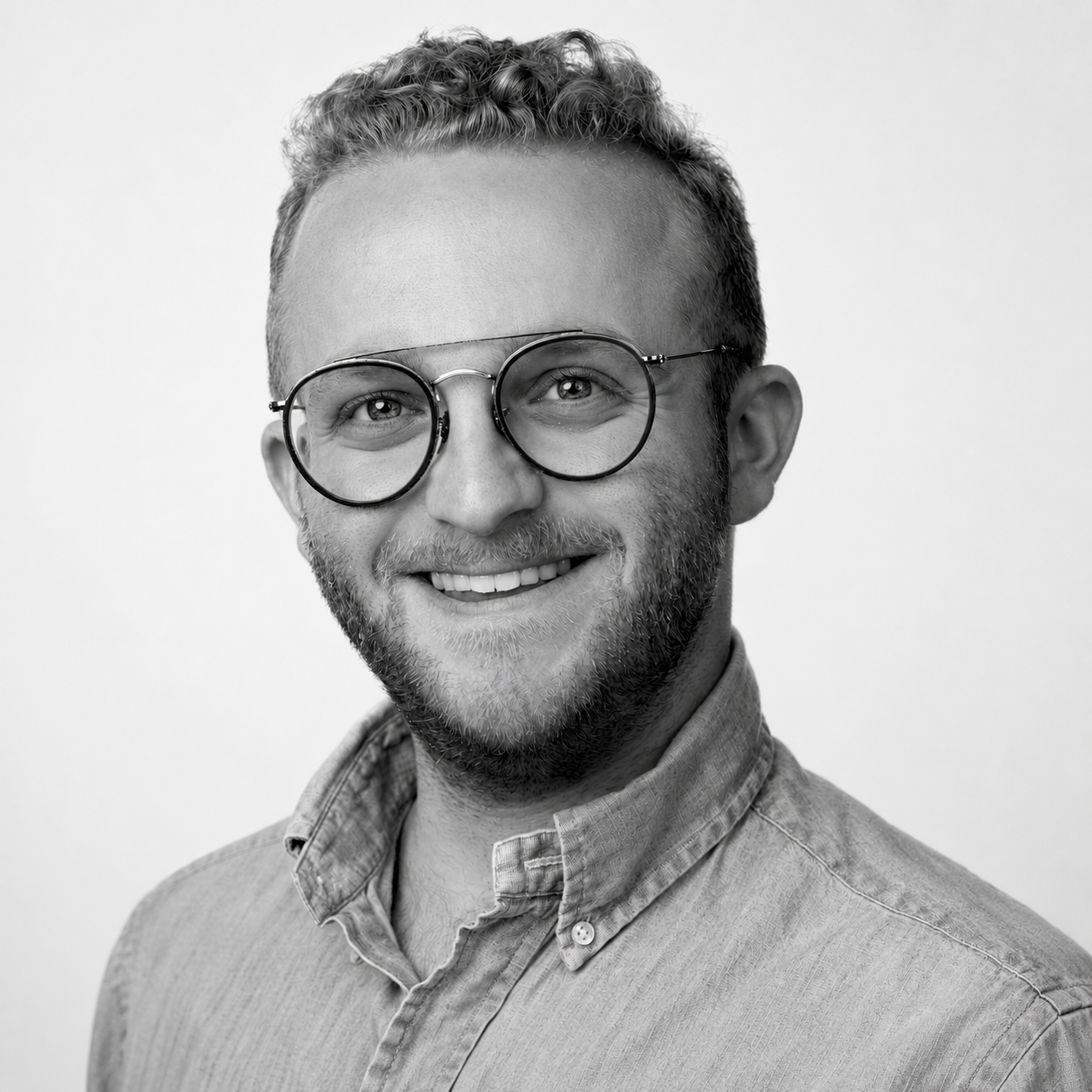
Evan Snyder, AMFT

Evan Snyder, AMFT

Associate Marriage & Family Therapist

Evan is an Associate Marriage and Family Therapist with more than three years of experience supporting individuals through emotional and behavioral challenges. He earned his master's degree in Clinical Psychology from Pepperdine University and began his career as a school counselor, working with children ages 6 to 14 navigating developmental challenges, life stressors, and emotional concerns.

He chose to work in addiction treatment because he views substance use not as the core problem, but often as an attempted solution to deeper life challenges. He believes meaningful recovery comes from understanding the whole person and addressing mental, emotional, and behavioral patterns with compassion and intention.

One of the greatest honors of Evan's work is helping people rebuild their lives mentally, emotionally, and physically. He integrates Dialectical Behavior Therapy, Cognitive Behavioral Therapy, and narrative therapy, and prioritizes genuine connection and collaboration so each person feels seen, heard, and supported.

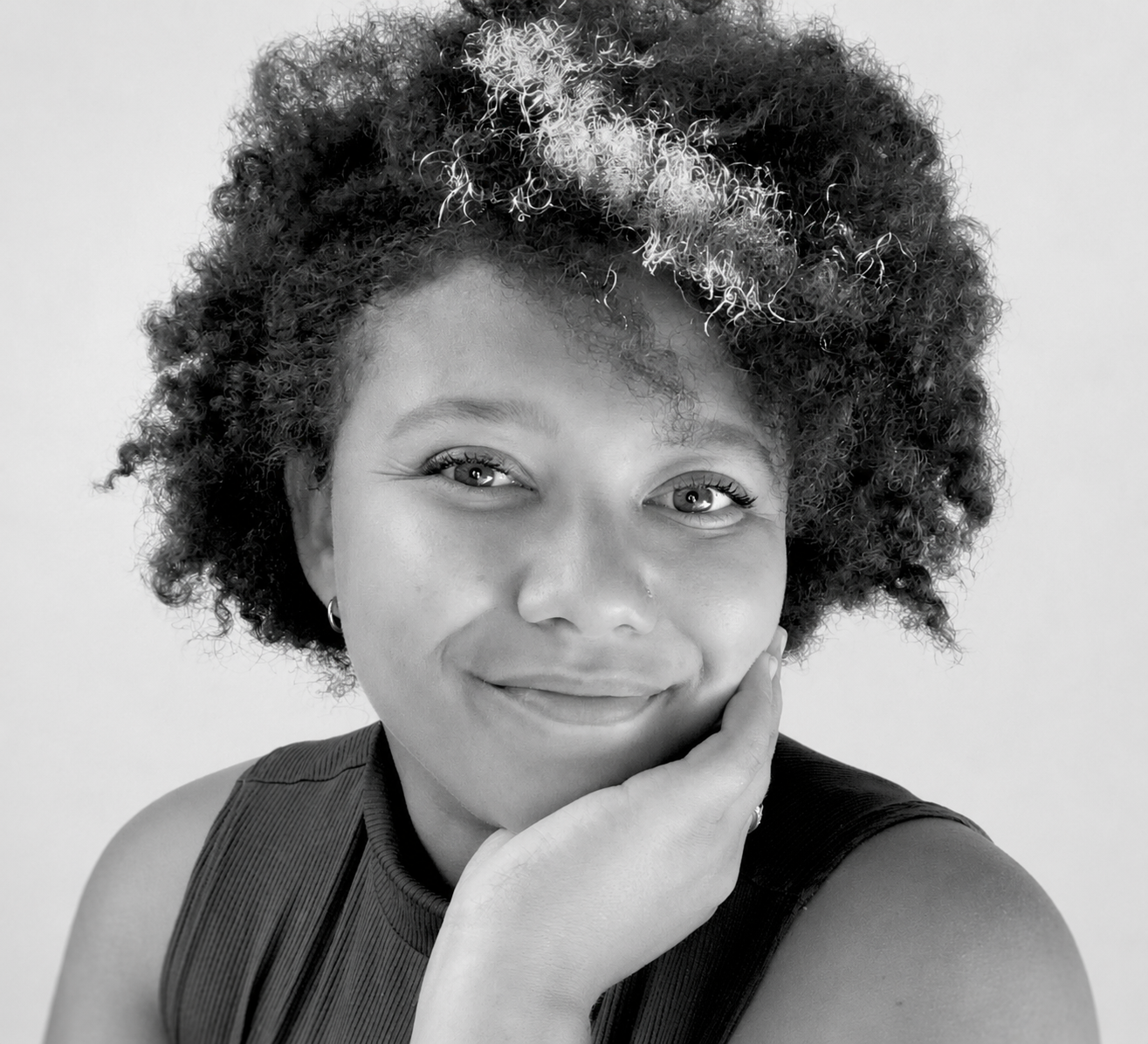
Elba Alvarado, MFT

Elba Alvarado, MFT

Licensed Marriage & Family Therapist

Elba is a Licensed Marriage and Family Therapist whose work is rooted in the belief that healing begins through relationships: with ourselves, with others, and with the stories we carry. She creates a supportive space for people navigating the quiet weight of expectations, the complexities of identity, and the patterns that shape how they show up in the world.

Her approach is relational, trauma-informed, and grounded in cultural humility. She listens for both what is spoken and what remains unspoken, helping clients gently explore the parts of themselves ready to grow, heal, or be seen in a new way. She also has four years of experience supporting individuals affected by substance use and the emotional, relational, and behavioral challenges that often accompany it.

Whether clients are experiencing anxiety, grief, substance use, life transitions, or challenging family dynamics, Elba offers support with presence, compassion, and curiosity. She earned her bachelor's degree in psychology from Vanguard University and her master's in clinical psychology from Azusa Pacific University.

Crystal Gil, MFT

Crystal Gil, MFT

Licensed Marriage & Family Therapist

Crystal is a Licensed Marriage and Family Therapist who works with adolescents, adults, and couples experiencing a broad range of mental health and substance use concerns — including anxiety, life transitions, identity development, women's issues, cultural stress, family conflict, relationship challenges, and co-occurring conditions.

Her approach is warm, supportive, collaborative, and goal-oriented. She draws from Cognitive Behavioral Therapy, Narrative Therapy, and Solution-Focused Brief Therapy to help clients understand their experiences, identify patterns, strengthen coping skills, and build on existing strengths. With couples, she helps partners improve communication, navigate conflict, and strengthen connection.

During the first session, Crystal invites individuals and couples to share what brought them to therapy and what they hope to gain. Together they develop realistic goals aligned with their values and circumstances, and clients have space to ask questions and decide whether it's the right fit.

Megan Quinn, LCSW

Megan Quinn, LCSW

Licensed Clinical Social Worker

Megan is a Licensed Clinical Social Worker with seven years of experience supporting individuals through anxiety, depression, mood disorders, substance use, family challenges, emotional dysregulation, and difficult life circumstances. She has extensive experience working with clients experiencing intense emotions, impulsive behaviors, persistent negative thought patterns, and periods of crisis.

Megan's approach is empowering, practical, and solution-oriented. She draws from Cognitive Behavioral Therapy, Dialectical Behavior Therapy, psychodynamic therapy, and person-centered approaches to provide care that responds to each client's unique needs and goals. She balances acceptance with practical tools that help clients better understand their emotions, recognize unhelpful patterns, strengthen coping skills, and create meaningful change.

Megan believes therapy should be built around the individual — not a template. She creates a nonjudgmental environment where clients can be themselves while developing a personalized path toward greater stability, confidence, healing, and personal growth.

Why People Choose Us

Care that knows where you've been.

Whether you're trying to stay ahead of a crisis or rebuild after one, we're set up for it. Our clinicians work across mental health, addiction, and dual diagnosis — without making you choose which door to walk through.

  • 01

    Therapy & Psychiatry Under One Roof

    No bouncing between offices. Your therapist and psychiatric provider actually communicate, so your care stays coherent.

  • 02

    Mental Health, Addiction, or Both

    Most practices specialize in one. We're trained for all three, in any combination, without making you choose a lane.

  • 03

    Warm Handoffs

    We talk directly to your prior or current providers when it helps — so day one doesn't have to feel like starting over.

  • 04

    Telehealth That Fits Your Life

    In-person in Woodland Hills, or from your kitchen table — whichever you'll actually do.

When you're ready, we're here.

This is a place where your progress is honored, your hard days are met without judgment, and your hope is treated like something worth protecting. If you need more, we offer more.

  • · Book in less than 3 minutes
  • · Fully confidential
  • · No commitment

FAQ

Your questions. Answered.

Starting therapy or psychiatry can feel uncertain. These answers are here to help you feel informed, prepared, and confident as you begin.

Do you only work with people in recovery from addiction?+

No. We work with people whose primary concern is mental health, people whose primary concern is addiction or substance use, and people dealing with both. Many of our clients are simply looking for therapy or psychiatry and never needed a higher level of care.

How do I know if I need therapy or psychiatry?+

Therapy is a good fit if you're struggling with mood, anxiety, trauma, relationships, or life transitions and want to work through them in ongoing sessions. Psychiatry can help when symptoms are harder to manage day-to-day and you want to explore whether medication might be useful. Many people benefit from both.

What's the difference between a therapist and a psychiatrist?+

Therapists work with you in ongoing sessions to process experiences and strengthen coping. Psychiatrists are medical providers who assess and, when needed, prescribe and manage medication. At Holding Hope, both are integrated.

Do you offer virtual sessions, in-person care, or both?+

Both. Whether you're returning home, relocating, or adjusting a routine, we make sure your care continues without interruption.

Will I be prescribed medication?+

Medication is never assumed. When you meet our psychiatric provider, recommendations are based on your history, prior treatments, and current needs — and integrated alongside therapy, not separate from it.

How much do sessions cost, and do you accept insurance?+

We offer insurance-based and self-pay options. Our team helps you understand your benefits clearly so you can decide without added stress.

What happens during the first session?+

Your first session is a conversation, not an interrogation. We learn what brought you in, what has and hasn't helped before, and what you want to be different. If you've worked with other providers, we'll connect with them when it helps — but plenty of people start here from scratch.